Swimming Shoes
$80.00 $120.00
Remove




We are excited to share that the Atlantic Diving Team is expanding our dryland training program — and we need your support to make it happen!
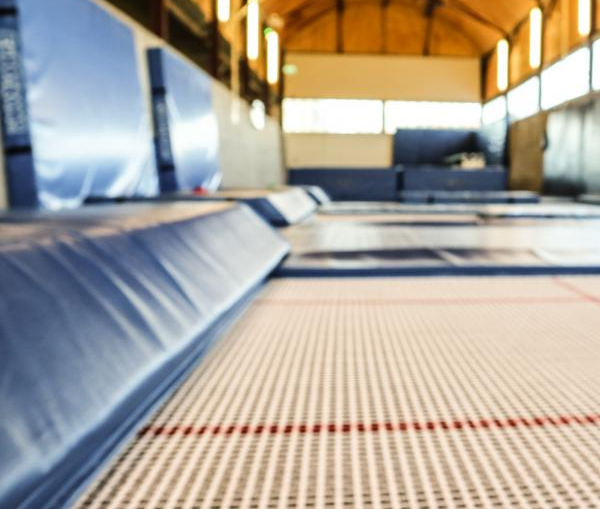
Dryland training plays an essential role in the preparation of competitive divers. Before attempting new skills on the diving board, athletes focus on developing strength, flexibility, body awareness, and safe techniques on solid ground. Utilizing specialized dryland equipment such as Dry Boards, trampolines, spotting rigs, mats, and strength-training tools allows divers to safely perfect their dives, minimize the risk of injury, and enhance their confidence.
Nowadays, many diving programs dedicate nearly half of their practice time to dryland training. This shift highlights its importance, as there are several compelling reasons why this method has become essential for enhancing a diver's abilities.
Dryland Training Facility: The Atlantic Diving Team, along with visiting teams, will benefit from a state-of-the-art dry land training facility designed to enhance their performance outside of the pool. This facility is set to become a cornerstone in the training regimen for both current and future competitive divers, providing them with the necessary resources to refine their skills and improve their physical conditioning. Equipped with advanced training equipment and tailored programs, the facility will facilitate a comprehensive approach to diving preparation, allowing athletes to focus on strength, flexibility, and technique in a controlled environment.
Spotting Rigs: These rope and belt setups are used over the floor, diving board and trampoline. The use of the spotting rig gives the coach almost complete control over the diver, allowing the athlete to complete very difficult skills in a very controlled environment.
Dryboard: The dryboard is a conventional diving board set up to land on a large mat (port-o-pit) instead of the water. These allow the athlete to complete many skills in a very short period of time and allows dives to be taught in smaller pieces.
Trampoline: One of the best ways to increase aerial awareness, form, and explosive strength is on the trampoline. Divers utilize this piece of equipment to improve overall acrobatic ability, athleticism, and to improve specific technical points for diving such as initiation skills, visual awareness (spotting), and come-out skills.
Dry-platform: Similar to the dryboard, this equipment allows divers to learn and refine many skills to be transferred to the water.
Springfloor: The spring floor is used to teach tumbling skills, which are great for building explosive force and improving body tension. It is also used heavily for stretching, conditioning, and dryland form drills. The athletes typically prefer this to the common surface for these exercises, the pool deck.
Stall Bars: Incorporating stall bars into our dry land facility is crucial for improving core stability during training sessions. These vertical bars offer a flexible structure that supports a range of exercises designed to strengthen core muscles, which are vital for enhancing overall performance in diving.
Video delay/replay system: The Video delay/replay system serves as an instant replay tool that enables athletes to leverage visual learning techniques alongside the traditional kinesthetic and auditory methods. This innovative approach enhances their training by providing immediate feedback and opportunities for improvement.
AND MORE....
These enhancements will directly benefit our current athletes and future divers in our program. More importantly, they create a safer environment where athletes can train at a higher level and reach their full potential. By investing in this world-class training space, we are committed to fostering excellence in diving and ensuring that our athletes are well-prepared to meet the challenges of competition.
Any contribution — large or small — makes a difference. If you would like to support our team, please consider:
- Making a tax-deductible donation
- Sharing our fundraiser with friends, family, local businesses and social media
Your generosity helps us build not just better divers, but stronger, more confident young athletes.
1. Physical Conditioning
Dryland training sessions are designed to enhance specific physical attributes essential for high-impact diving, including strength, explosive power, and flexibility. These sessions typically incorporate a variety of exercises that target the core, legs, and upper body, ensuring that divers develop the necessary muscle groups to perform complex maneuvers with precision and control. By focusing on explosive movements, athletes can improve their takeoff and entry techniques, which are critical for achieving optimal performance in the water.
Additionally, flexibility training is integrated to enhance range of motion, allowing divers to execute intricate twists and turns while minimizing the risk of injury. Overall, these targeted dryland workouts play a crucial role in preparing divers for the demands of their sport, fostering both physical capability and mental resilience.
2. Isolate Diving Skills
Perfecting diving skills involves more than simply repeating the same dive numerous times. Divers often find themselves focused on the execution of the dive itself, overlooking the finer details that elevate a performance from good to exceptional.
Elements such as the arm swing and body positioning during takeoff play a crucial role in determining the quality of the dive, highlighting the importance of attention to these specific aspects for achieving excellence.
Diving requires several essential skills that can be effectively isolated and practiced on a trampoline, such as the hurdle, arm swing, balance at the end of the board, body positioning during takeoff, spotting, and kick-outs.
These techniques can be honed on a trampoline or dry board, and utilizing spotting rigs with ropes, pulleys, and specialized belts can significantly enhance training. Pinpointing the timing for kick-outs and the precise movements of the arms during dives is crucial for achieving success in the sport.
3. Reduce Fear in Diving
Let's face it, diving from a 10-meter platform or even a 3-meter springboard can be intimidating. To ease into new dives, practicing on a trampoline or Dry Board with a spotting belt can significantly boost a diver's confidence. Under the guidance of an experienced coach, divers can safely attempt challenging maneuvers like the reverse 2½ tuck without the anxiety of making a painful entry into the water. A "smack," which occurs when a diver lands on their back, stomach, or side, can lead to welts, bruises, or more serious injuries, depending on the impact and height of the dive.
Avoiding a "smack" by learning to dive with a belt significantly enhances a diver's confidence by helping them avoid painful impacts. This technique enables divers to accurately determine when to exit the dive, how to position themselves for a safe entry into the water, and where to focus their attention throughout the dive.
For divers, one of the most daunting fears is the possibility of becoming disoriented above water. This sensation occurs when a diver loses track where his/her body position is in relation to the water, leading to anxiety. Such disorientation is particularly common during twisting and flipping dives. To mitigate this risk, divers can utilize a twisting or spinning belt, which helps them develop a better understanding of the dive's dynamics and identify their landing spots more effectively. This practice not only enhances their skill but also significantly reduces the likelihood of getting lost during a dive.
It also enables divers to repeatedly practice intricate skills until they gain the confidence to execute them effectively in the water.
4. Loss of Pool Time
For many diving teams, access to pool time is limited and often difficult to secure. Since these teams share facilities with other aquatic sports like swimming, water polo, and synchronized swimming, finding available hours can be a significant challenge, leading to compromised practice schedules.
Utilizing dryland training facilities allows divers to continue their practice without the constraints of pool availability. They can perform nearly all their dives on trampolines or dry boards, often with the assistance of spotting rigs. Even in the absence of such equipment, divers can still execute a variety of moves effectively on dryland setups.
5. Weather & Diving
Diving during winter can be challenging, especially without access to an indoor pool. While collegiate diving takes place in this season, the cold can be detrimental to divers, as they must exit the water and perform their dives in frigid air. Unlike swimmers who can remain in the water to maintain warmth, divers face the risk of muscle stiffness due to the cold, which can hinder their performance. Although warm showers or hot tubs are often available to help relax muscles, excessive heat can also lead to complications.
Dryland training effectively addresses the challenges divers face during inclement weather. Allocating one hour of a two-hour practice session to dryland activities allows divers to continue their training without enduring the cold for the full duration. In cases of lightning, divers can complete an entire practice on land, ensuring they maintain their skills without needing to enter the water. Access to appropriate dryland training equipment ensures that divers can consistently engage in their training regimen, regardless of weather conditions.
6. Injury Prevention
Dryland training plays a crucial role in enhancing a diver's performance by significantly reducing the frequency of water entries, which in turn alleviates the physical strain placed on the body. This method allows athletes to engage in strength and conditioning exercises that mimic the movements required in diving, thereby improving their overall technique and fitness without the repetitive impact associated with diving into water.
By focusing on land-based workouts, divers can build muscle strength, flexibility, and endurance while minimizing the risk of injury that often accompanies frequent diving practice. Consequently, dryland training not only preserves the physical integrity of the diver's body but also optimizes their training regimen, leading to improved performance during competitions.
7. Dryland Success
Dryland training encompasses nearly all essential elements of diving, including the hurdle, takeoff, and rotation. However, it falls short in addressing the entry technique, which perfecting that rip entry can only be refined through actual time spent in the water. Despite this limitation, many divers have successfully utilized dryland training as a primary method of practice, yielding impressive results.
The Atlantic Diving Team prioritizes the safety of our athletes. All coaches are current with SafeSport training, and our program strictly follows the guidelines set forth by the US Center for SafeSport. For detailed information on our policies related to SafeSport, please refer to the attached documents. Additionally, we encourage you to visit USA Diving’s SafeSport Website for further resources.